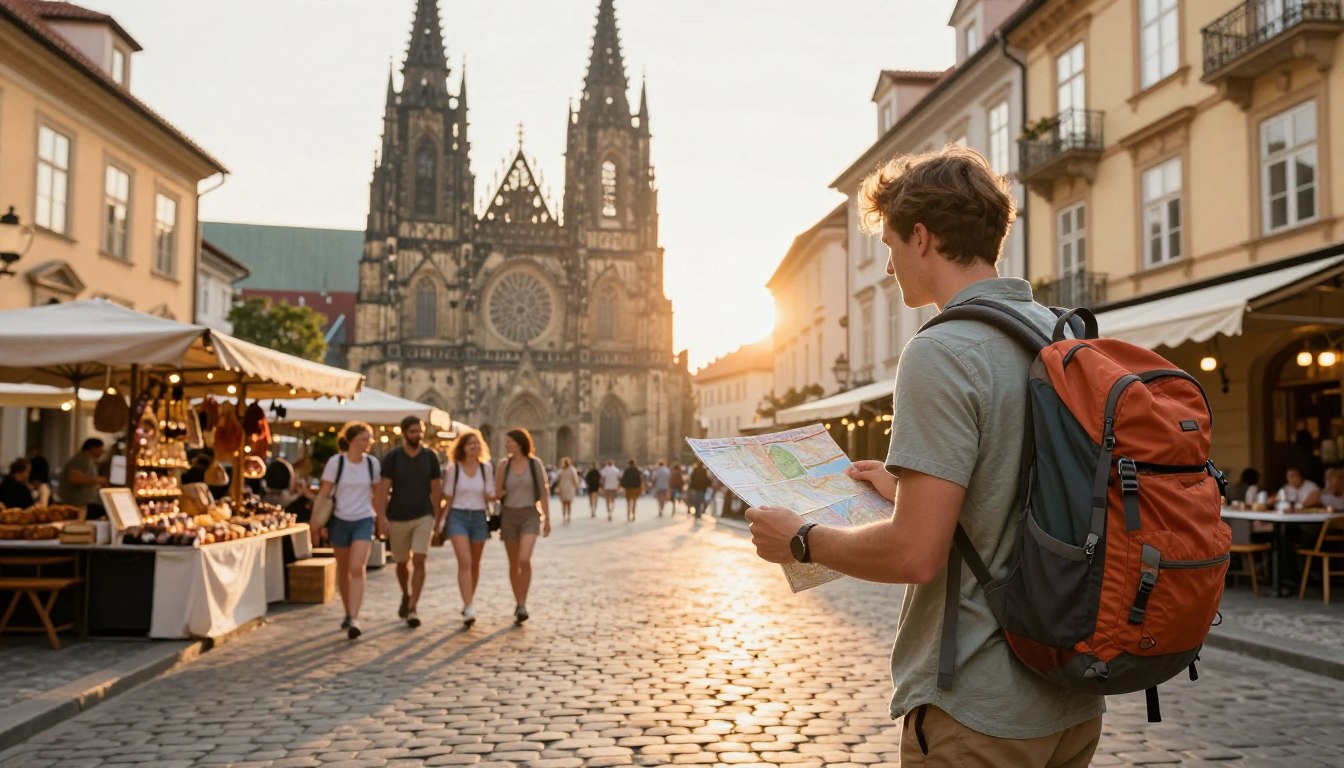
I remember the sun on my face when I arrived in España. My pockets were empty, but my heart was full of dreams. I had planned my solo backpacking europe trip for months.
From Madrid’s lively streets to Austria’s cool air, I learned a big lesson. Travel isn’t about spending a lot. It’s about seeing the world in your own way. Successful budget travel means valuing experiences over fancy things.
In this guide, I’ll share how I managed my money on the trip. You’ll learn to balance wanting to see new things with the practical realities of traveling. Let’s start your backpacking europe adventure.
Key Takeaways
- Prioritize local experiences over expensive tourist traps to save money.
- Master the art of slow travel to reduce transportation costs significantly.
- Embrace public transit and walking to explore cities like a local.
- Choose hostels or guesthouses to meet fellow travelers and lower lodging expenses.
- Keep a strict daily budget to ensure your funds last throughout the trip.
Why Choose Backpacking as Your Travel Style?
Backpacking has changed how I see travel. It’s more than a trip; it’s freedom. Backpacking europe lets me explore without limits.
Carrying only what I need means I can change plans anytime. This freedom is the best part of backpacking.
Freedom to Explore at Your Own Pace
Staying in a place I love is the best part. No rush to catch a bus. I can enjoy every moment.
I can wake up and decide to stay longer or go somewhere new. This spontaneity makes my trip special and mine alone.
Meet New People and Make Friends
Backpacking is great for making friends. Hostels and buses are perfect for meeting others.
Talking to people from all over is easy. These chats often turn into adventures and friendships that last a lifetime.
Experience Authentic Local Culture
Being flexible lets me really get to know local life. I love exploring markets and quiet cafes.
It’s easier to see how locals live and eat. Wandering through neighborhoods gives me a true taste of the culture.
| Feature | Backpacking | Package Tour |
|---|---|---|
| Flexibility | High | Low |
| Social Interaction | Organic | Structured |
| Cost Control | Complete | Limited |
| Cultural Depth | High | Low |
Choosing solo backpacking europe means discovering myself. It’s a journey of self-discovery and making memories that are truly mine.
Planning Your Backpacking Trip
Planning your route is the first step to make your solo backpacking Europe dream come true. A little preparation makes your trip stress-free and fun. Focus on the important details early to enjoy more and worry less.
Choosing Your Destinations Wisely
When you start backpacking Europe, you might want to see every big city. But, pick a few key places to avoid getting tired and save money. Choose places that offer great experiences without breaking the bank.
Think about these things when picking your stops:
- Cost of living: Look at daily costs in big cities and small towns.
- Travel time: Try to cut down on long travel days to enjoy more time exploring.
- Personal interests: Pick places that match your interests, like history or hiking.
Creating a Flexible Itinerary
A strict schedule can cause stress if things don’t go as planned. I always make a flexible itinerary with extra days for surprises. This way, you can stay longer in places you love or leave if it’s not right.
Keep your main goals in mind but also be open to new things. Some of the best moments come from unexpected places. Being flexible is key for any traveler.
Researching Visa Requirements
Before you go, check visa rules for each country on your list. I do this early to avoid legal surprises at the border. Official government sites have the best info on entry rules and passport needs.
| Planning Factor | High Priority | Low Priority |
|---|---|---|
| Budgeting | Daily Costs | Luxury Tours |
| Logistics | Visa Rules | Fixed Hourly Plans |
| Flexibility | Open Dates | Pre-booked Trains |
Handling these tasks early gives you peace of mind. Once you’re all set, you can dive into the fun of your trip. Good planning is the key to a great journey.
Budgeting for Your European Adventure
Having a good financial plan makes your trip to Europe easy. Before booking flights, I plan how much I can spend each day. This way, I always have enough money to explore new places.

Estimating Daily Expenses
I divide my costs into three parts: food, transport, and activities. Using a mobile app to track my spending is a great tip. It helps me stay within my budget.
- Food: Save money by buying at local markets instead of eating out.
- Transport: Remember to include costs for trains and metro passes.
- Activities: Choose the things you really want to do.
Finding Affordable Accommodations
Finding cheap places to stay is easy if you know where to look. I prefer hostels or guesthouses with kitchens to save on food. Keeping track of your nightly costs is key.
Look for places that offer free breakfast or tours. These extras can add up and let you spend more on fun experiences. Choosing the right backpacking gear europe can also save you money.
Setting Aside Emergency Funds
Even with good planning, unexpected things can happen. That’s why I always have an emergency fund. It’s for things like missed trains or lost items. Having this fund gives me peace of mind.
| Expense Category | Budget Priority | Savings Potential |
|---|---|---|
| Accommodation | High | High |
| Food | Medium | High |
| Activities | Low | Medium |
Packing Smart for Backpacking Europe
Traveling Europe taught me to carry less for more freedom. Your bag is like a home when moving between cities. So, picking the right items is key.
The Essential Backpacking Gear
Choosing good backpacking gear europe travelers love is crucial. I look for a strong, comfy backpack that spreads weight well. Organization is everything, so I use packing cubes for clothes and gadgets.
A universal power adapter and a light, quick-dry towel are must-haves. A portable power bank keeps my phone charged for maps. These small items avoid big problems in new places.
Clothing Tips for Various Climates
Europe’s weather changes a lot, from sunny to cold. The trick is layering. I pack a light base layer, a warm fleece, and a waterproof jacket.
Wearing neutral colors lets me mix outfits easily. This way, I look good in Paris or Austria without a big wardrobe. Versatility is the core of smart packing.
Packing Light: What to Bring and Leave
I used to pack too much “just in case.” Now, I only bring what I really need. You can find laundry in most cities, so pack for a week.
Don’t take heavy hair dryers, extra shoes, or big books. Digital maps and apps replace paper guides. Pack items that do more than one thing to stay light and happy.
| Gear Category | Recommended Item | Why It Matters |
|---|---|---|
| Backpack | 40L-50L Frame Pack | Perfect size for carry-on limits. |
| Footwear | Comfortable Walking Shoes | Essential for cobblestone streets. |
| Organization | Compression Packing Cubes | Maximizes space and keeps items tidy. |
| Tech | Universal Travel Adapter | Works across all European outlets. |
Transportation Options for Backpackers
Traveling cheaply is key to seeing Europe on a budget. Using trains and budget buses is smart. These essential backpacking tips europe help you travel without spending too much.
Train Travel: The Eurail Pass
The Eurail pass is great for long trips. It lets you travel freely across many countries. Plan your route ahead to get the most from your pass.
Buses and Rideshares: Saving Money
For cheaper travel, try budget buses like FlixBus. They’re affordable but slower than trains. Local rideshare apps can also save money and help you meet people.
Keep your backpacking gear europe ready for quick grabs. A small daypack makes bus rides easier. Check your luggage weight, as some buses have limits.
Exploring Cities on Foot or Bike
Don’t take taxis in new cities. Walking is the best way to find hidden spots and local culture. Many cities are bike-friendly, with rentals for tourists.
Walking or biking is cheap and keeps you active. Make sure you have comfy shoes for long walks. These active ways make your trip better.
Saving Money While Eating in Europe
I found out that saving on food is key to traveling longer. Food can be a big expense for travelers. But, eating well on a budget is doable with some effort. Whether you’re on the best backpacking routes europe or in backpacking hostels europe, these tips will help keep your money safe.

Affordable Local Eats and Street Food
Trying local street food is a great way to see real culture. Look for stalls where locals are waiting. Street food is tasty and cheaper than restaurants.
In places like Berlin, Paris, or Rome, you can get amazing meals for a few euros. These quick eats keep you going while you explore. Choose these options to save for special meals.
Grocery Shopping Tips for Backpackers
I often go to local markets for fresh ingredients. Making your own meals is a smart way to save money. Most hostels have kitchens, making cooking easy.
- Shop at local supermarkets instead of tourist stores.
- Buy seasonal fruits and veggies for the best deals and taste.
- Choose store-brand items to save even more.
Apps for Finding Discounts and Deals
Technology helps a lot with food budgets. I use apps to find deals and cheap places to eat. These apps let me compare prices and see what others say.
Some apps tell you about “happy hour” deals or discounts at the end of the day. This way, you can eat well without spending too much. These digital tools make sure you don’t have to choose between good food and saving money.
| Dining Strategy | Cost Level | Convenience | Authenticity |
|---|---|---|---|
| Street Food | Low | High | Very High |
| Grocery Shopping | Very Low | Medium | High |
| Sit-down Restaurants | High | Low | Medium |
Finding Budget Accommodations
I’ve slept in many places, from busy dorms to quiet spots. Finding a safe, affordable place to rest is key. It helps me keep going while I explore the best backpacking routes europe.
Every place I stay gives me a new view of local life. It also helps me save money.
Hostels: Pros and Cons
When I look for backpacking hostels europe, I want a mix of fun and safety. Hostels are cheap for solo travelers. But, they have downsides to think about before you book.
- Pros: You meet new people, use shared kitchens, and stay in the center.
- Cons: You lose privacy, and it can be loud in party hostels.
Couchsurfing and Home Exchange
Couchsurfing lets you live with locals. It’s a great way to see the real side of a place. Home exchange is good for couples or small groups.
These choices need planning and trust. But, they offer real experiences. Always check reviews for a safe stay.
Unique Budget Stays: Churches and Monasteries
For peace, try staying in churches or monasteries. It’s a truly unique way to see a place’s history. These spots are cheap and quiet, unlike busy cities.
| Accommodation Type | Typical Cost | Vibe |
|---|---|---|
| Hostels | Low | Social |
| Couchsurfing | Free | Local |
| Monasteries | Very Low | Quiet |
Choosing where to stay depends on what you like. Whether it’s a hostel or a monastery, there are many ways to save money.
Navigating Currency and Payment Methods
Planning to explore the best backpacking routes europe or relax in backpacking hostels europe? Your money plan is key. Managing money across borders needs a solid strategy to avoid stress. Prepare your payment methods early to enjoy your trip without money worries.
Understanding Currency Exchanges
Currency rates change every day. Losing money is easy if you’re not careful. Don’t exchange cash at airport kiosks, as they charge too much.
Use local ATMs for the best rates. But watch out for fees from your bank and the ATM. Choose a bank that doesn’t charge ATM fees to save money.
Using Credit Cards Wisely Abroad
Get a credit card with no foreign transaction fees. It saves you money on every purchase. Always choose the local currency when asked to avoid bad exchange rates.
Keep two credit cards in different places. This way, you won’t be stuck without money if one is lost. Tell your bank you’re traveling to avoid account issues.
Cash vs. Digital Payments
Cash is still important in small places and markets. Carry both cash and digital payments for any situation. Local cash is key for small buys where cards might not work.
Digital wallets and contactless payments track your spending easily. Stay organized with your digital records to keep to your budget. Mixing these methods lets you enjoy your trip worry-free.
Connecting with Other Travelers
I love traveling alone, but sharing moments makes it even better. Building a social network on the road is rewarding. It turns a trip into stories and friendships.
Joining Online Backpacking Communities
I check online forums before I arrive in a new city. Sites like Reddit’s r/backpacking or Facebook groups are great. They help me find people who travel like me.
Attending Meetups and Events
Hostels are where travelers meet. I join free tours or dinners there. These are perfect icebreakers to meet people from everywhere.
Partnering with Travel Buddies
Sometimes, I meet someone who wants to explore together. Sharing costs and navigating is easier with a buddy. But, I always check backpacking safety europe first.
Finding the right travel buddy is key. It’s about respect and enjoying the journey together. Always stay open to change and enjoy the freedom of travel.
Staying Safe While Backpacking
When I plan my budget backpacking Europe trip, safety is my number one concern. Being ready and alert helps keep me and my stuff safe. This way, I can enjoy exploring without worrying about dangers.
Essential Safety Tips for Solo Travelers
Traveling alone is free and fun, but you must be careful. I always tell a friend or family member where I am. This way, they know where I am.
I trust my gut when I meet new people. If something feels off, I leave right away. Being confident helps me move through busy places easily.
Keeping Your Belongings Secure
Good backpacking safety Europe starts with how you carry your stuff. I never leave my bag alone, not even for a second. A good lock on my luggage makes me feel safer in hostels.
I keep important things like my passport and cash in a hidden belt. This keeps them safe from thieves. Keeping your things organized is key for travelers.
Recognizing and Avoiding Scams
Places full of tourists are where scams happen a lot. I’m always careful in crowded spots. I’m cautious of people who seem too friendly or helpful.
I don’t play games or sign things from strangers. Staying alert helps me avoid scams. Knowing about local scams keeps me calm and lets me enjoy my trip.
Leaving No Trace: Traveling Responsibly
Traveling across the continent taught me a lot. It showed me how important it is to travel right. I try to leave places as I found them for others to enjoy.
By doing this, I make my travels special. It’s not just about seeing new places. It’s about respecting the places and people I meet.
Protecting the Environment
I try to leave less of a mark. I carry a reusable water bottle and use public transport. These choices help keep the places I visit beautiful.
Keeping things clean is key. It helps make sure others can enjoy the same beauty I do.
Investing in Local Communities
I like to eat at family-owned places. It helps the local economy and gives me a real taste of the area. It also helps me connect with the culture.
Honoring Cultural Traditions
I learn about local customs before I go. This shows respect and helps me connect with the people. I want to leave places better than I found them.
I hope you’ll start your own journey. Remember to respect and care for the places and people you meet.
Leave a Reply