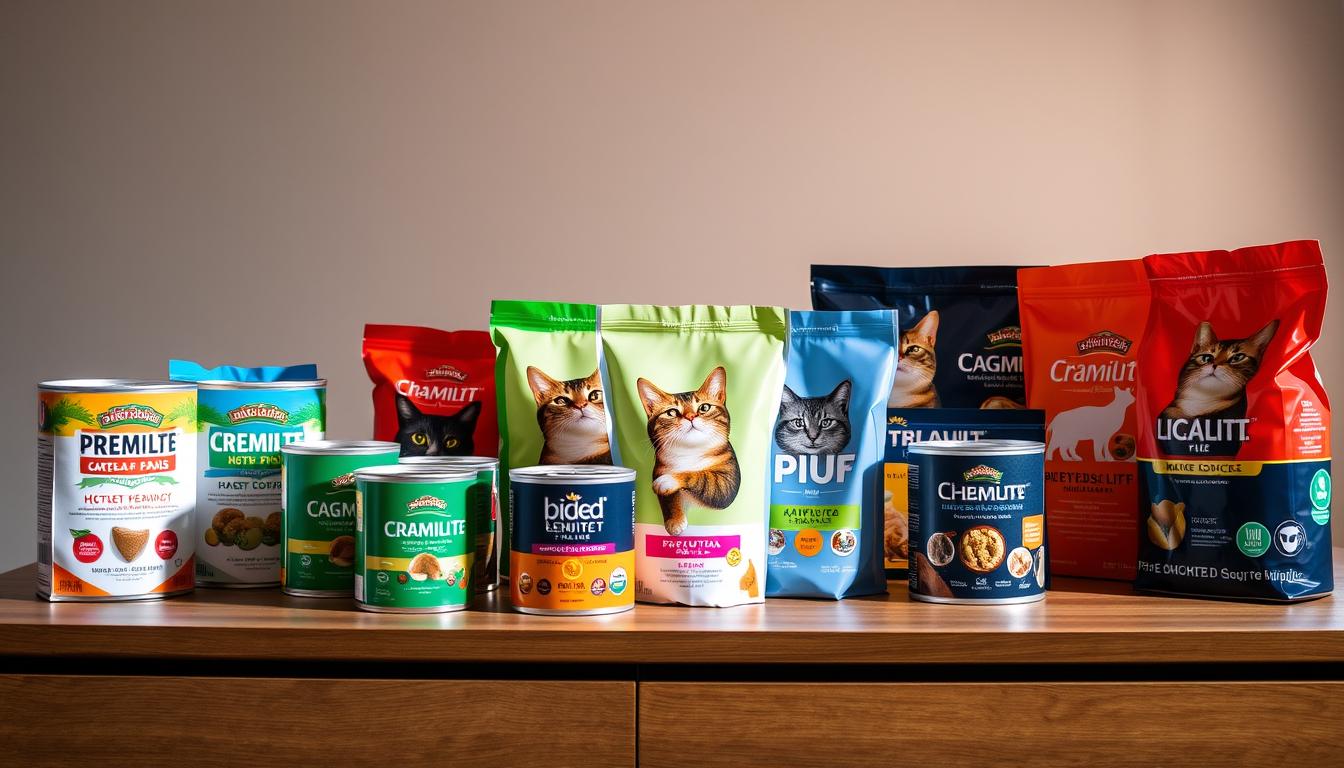
Choosing the right nutrition for your feline companion can be a challenging task, given the vast array of options available. As a responsible cat owner, you want to ensure that your pet receives the best possible nutrition. Our expert recommendations are designed to guide you through this process, highlighting the top rated cat food that meets your feline friend’s needs.
With so many choices on the market, it’s essential to consider factors such as nutritional value, taste, and your cat’s individual preferences. Our in-depth analysis will help you make an informed decision, ensuring that your pet enjoys a healthy and balanced diet.
Key Takeaways
- Understand the nutritional needs of your cat
- Explore top-rated cat food options
- Consider your cat’s individual preferences and needs
- Make an informed decision with our expert recommendations
- Ensure a healthy and balanced diet for your feline friend
Why Choosing the Right Cat Food Matters
The right cat food is foundational to your cat’s health, influencing everything from energy levels to coat health. Choosing the right cat food is a critical decision that impacts your cat’s overall wellbeing and longevity.
The Impact on Your Cat’s Health
The food your cat consumes plays a significant role in their health. Premium cat food is formulated to provide the necessary nutrients that support optimal health. A diet rich in high-quality protein, moderate in fat, and low in carbohydrates, along with essential vitamins and minerals, is crucial for maintaining your cat’s health.
A well-nourished cat is more likely to have a shiny coat, healthy skin, and robust energy levels. Moreover, a balanced diet can help prevent various health issues, including obesity, diabetes, and heart disease.
Understanding Nutritional Needs
Cats are obligate carnivores, meaning they require a diet high in protein from animal sources. Understanding your cat’s nutritional needs is key to selecting the right food. The highest quality cat food will list real meat, fish, or poultry as the first ingredient and avoid fillers and by-products.
It’s also important to consider your cat’s life stage, lifestyle, and any specific dietary needs they may have. For instance, kittens require more protein and calories than adult cats, while senior cats may need food that supports joint health.
Types of Cat Food Available
Understanding the different types of cat food available is crucial for making an informed decision.
The cat food market offers a variety of options, including dry food, wet food, grain-free, and prescription diets, each catering to different feline needs and owner preferences.
Dry Food vs. Wet Food
Dry food, or kibble, is a popular choice due to its convenience and dental health benefits. It helps reduce tartar and plaque, promoting healthier gums. On the other hand, wet food provides higher moisture content, which can be particularly beneficial for cats with urinary issues or those that are prone to dehydration.
Some cat owners opt for a mixed feeding approach, combining both dry and wet food to leverage the benefits of each. This method can help maintain a balanced diet while keeping mealtime interesting for your cat.

Grain-Free Options
Grain-free cat food has gained popularity, especially among owners whose cats have grain allergies or sensitivities. These formulas replace grains with alternative carbohydrate sources such as potatoes or sweet potatoes.
While grain-free diets can be beneficial for cats with specific dietary needs, it’s essential to choose a high-quality grain-free food that is well-balanced and meets your cat’s nutritional requirements.
Prescription Diets
Prescription diets are specially formulated cat foods designed to manage specific health conditions, such as kidney disease, food allergies, or obesity. These diets are available only through a veterinarian’s prescription.
It’s crucial to follow a veterinarian’s guidance when considering a prescription diet, as they can recommend the most appropriate food based on your cat’s health needs.
Popular Cat Food Brands to Consider
When it comes to selecting the right cat food, several brands stand out for their commitment to quality and nutrition. These brands have garnered attention for their formulations that cater to various feline needs, making them worth considering for cat owners.
The cat food market is diverse, with numerous brands offering a range of products. Among these, Royal Canin, Hill’s Science Diet, and Blue Buffalo are notable for their focus on health and nutrition. Each of these brands brings a unique approach to cat nutrition, catering to different life stages, lifestyles, and dietary needs.
Royal Canin
Royal Canin is renowned for its breed-specific and life stage-specific diets. The brand’s formulations are designed to meet the unique nutritional requirements of cats at different stages of their lives, from kittens to seniors. Their products are often praised for their tailored approach to feline nutrition.

Hill’s Science Diet
Hill’s Science Diet is a well-respected brand in the pet nutrition industry, known for its science-backed formulations. The brand collaborates with veterinarians and nutritionists to develop recipes that are not only delicious but also provide balanced nutrition. Their products are designed to support the overall health and well-being of cats.
Blue Buffalo
Blue Buffalo is a popular choice among cat owners who prioritize natural ingredients and holistic pet nutrition. The brand emphasizes the use of high-quality protein sources and whole grains, avoiding artificial preservatives, colors, and flavors. Their products are designed to support the overall health of cats, from maintaining a healthy coat to supporting urinary tract health.
These brands offer a range of products that can cater to the diverse needs of cats. Whether you’re looking for healthy cat food or natural cat food, they provide viable options worth exploring. By considering the specific needs of your cat, you can choose a product that aligns with their dietary requirements and preferences.
Key Ingredients to Look For
The ingredients in your cat’s food play a significant role in their overall health and well-being. When selecting a premium cat food, it’s essential to examine the ingredients list carefully.
High-quality protein sources are vital for your cat’s diet. Look for foods that list chicken, salmon, or beef as the first ingredient. These protein sources provide essential amino acids that support your cat’s muscle health and overall vitality.
High-Quality Protein Sources
A diet rich in high-quality protein is crucial for maintaining your cat’s health. Some of the best protein sources include:
- Chicken
- Salmon
- Beef
- Turkey
Essential Vitamins and Minerals
In addition to protein, essential vitamins and minerals are necessary for your cat’s overall health. Vitamin A supports vision health, while calcium and phosphorus are crucial for bone health. Ensure that the cat food you choose contains these vital nutrients.

Natural Preservatives
Preservatives are added to cat food to extend its shelf life. Opt for foods that use natural preservatives like tocopherols (vitamin E) or ascorbic acid. These are safer alternatives to artificial preservatives, which can be harmful to your cat’s health.
By focusing on these key ingredients, you can ensure that you’re providing your cat with a nutritious and balanced diet. Always read the ingredients list carefully to make an informed decision about your cat’s food.
Reading Cat Food Labels
To ensure you’re providing your cat with the best possible nutrition, it’s necessary to understand what’s on the label. Reading and understanding cat food labels is a critical step in choosing the right food for your cat.
Decoding Ingredients Lists
The ingredients list is a crucial part of the cat food label. Ingredients are listed in order of their prevalence by weight, so it’s essential to see high-quality ingredients at the top. For instance, if the first ingredient is a named protein source like “chicken” or “salmon,” it’s a good sign. Avoid foods that list generic terms like “meat” or “by-products” as the first ingredient.
Understanding AAFCO Statements
The AAFCO (Association of American Feed Control Officials) statement on the label indicates whether the food meets the minimum nutritional requirements for cats. AAFCO standards are a benchmark for the nutritional adequacy of cat food. Look for a statement that says the food is “complete and balanced” for your cat’s life stage, whether it’s kitten, adult, or senior.
| Brand | First Ingredient | AAFCO Statement | Price Range |
|---|---|---|---|
| Royal Canin | Chicken | Complete and Balanced for Adults | $50-$70/month |
| Hill’s Science Diet | Chicken | Complete and Balanced for Adults | $40-$60/month |
| Blue Buffalo | Deboned Chicken | Complete and Balanced for Adults | $45-$65/month |

By understanding the ingredients list and the AAFCO statement, you can make an informed decision about your cat’s food. Always look for top-rated cat food that is recommended cat food by veterinarians or pet nutritionists.
Life Stage-Specific Cat Food
As cats progress through different life stages, their nutritional needs evolve, making it crucial to choose a cat food that matches their current life stage. Cats, from kittens to seniors, have different dietary requirements that must be met to ensure optimal health.
Kittens, for instance, require a diet rich in protein and calories to support their rapid growth and development. A high-quality kitten food should have the right balance of nutrients to foster healthy bone and muscle development.
Nutrition for Kittens
Kitten nutrition is critical during the first year of life. Kittens need a diet that is rich in high-quality protein sources such as chicken or salmon. They also require certain vitamins and minerals that support their immune system and overall development.
Dietary Needs of Adult Cats
Adult cats, on the other hand, require a balanced diet that maintains their overall health. Natural cat food options that are rich in essential nutrients can help support their well-being. Adult cat food should be formulated to maintain optimal weight and support overall health.
Considerations for Senior Cats
Senior cats have different nutritional needs compared to their younger counterparts. They often require fewer calories but may need additional support for joint health. Healthy cat food for seniors should be formulated to support their aging joints and maintain their overall health.
To illustrate the differences in nutritional needs across life stages, consider the following table:
| Life Stage | Nutritional Needs | Key Ingredients |
|---|---|---|
| Kitten | High protein, high calories | Chicken, Salmon, DHA |
| Adult | Balanced diet for maintenance | Whole grains, Vitamins, Minerals |
| Senior | Fewer calories, joint support | Glucosamine, Chondroitin, Omega-3 |

Choosing a life stage-specific cat food ensures that your cat receives the appropriate nutrients at every stage of their life. Always consult with your veterinarian to determine the best diet for your cat based on their age, health, and lifestyle.
Special Dietary Needs
For cats with allergies or sensitive stomachs, finding the right food is crucial. Some cats have specific dietary requirements due to health conditions or sensitivities, and addressing these needs is essential for their overall health and well-being.
Cats with allergies or sensitivities require food that is carefully formulated to meet their needs. Top brands of cat food offer a range of solutions, including novel protein sources and hypoallergenic diets. These specialized foods are designed to reduce the risk of allergic reactions and promote digestive health.
Solutions for Allergies
Cats suffering from allergies need food that avoids common allergens. Novel protein sources such as venison, duck, or salmon can be beneficial. Hypoallergenic diets are also available, which are formulated to minimize the risk of an allergic reaction. Brands like Royal Canin and Hill’s Science Diet offer hypoallergenic formulas that are highest quality cat food options for cats with allergies.
When selecting food for a cat with allergies, it’s essential to read labels carefully. Look for foods that are labeled as hypoallergenic or those that contain novel protein sources. Consulting with a veterinarian can also help in determining the best diet for your cat.
Foods for Sensitive Stomachs
Cats with sensitive stomachs benefit from easily digestible ingredients. Limited ingredient diets can help reduce the risk of digestive upset. Foods with simple, natural ingredients are often recommended. Brands such as Blue Buffalo offer formulas designed for sensitive stomachs, using high-quality ingredients that are gentle on the digestive system.
Transitioning to a new food should be done gradually to prevent digestive upset. Mixing a small amount of the new food with their current diet and gradually increasing the proportion can help. Monitoring your cat’s response to the new food is crucial, and any signs of distress should be addressed promptly.
Budget-Friendly Cat Food Choices
Budget-friendly cat food options are plentiful, offering quality nutrition without the hefty price tag. Cat owners can find affordable brands that deliver on nutritional value, ensuring their pets lead healthy lives without breaking the bank.
Affordable Brands That Deliver Quality
Several cat food brands are known for their quality and affordability. Brands like Purina Cat Chow and Friskies offer a range of products that cater to different life stages and dietary needs. These brands are widely available and trusted by many cat owners.
Another brand worth considering is Iams, which provides high-quality cat food at a reasonable price. Their formulas are designed to support the overall health of your cat, from kittenhood to adulthood.
Tips for Saving on Pet Food Costs
Saving money on cat food doesn’t mean compromising on quality. Here are some tips:
- Buy in bulk: Purchasing larger quantities can often reduce the cost per pound.
- Use coupons: Many brands offer coupons on their websites or through email newsletters.
- Opt for store brands: Many store-brand cat foods are comparable in quality to name-brand products.
- Consider automatic subscriptions: Some brands offer discounts for regular, automatic shipments.
To further illustrate the cost-effectiveness of different brands, here’s a comparison table:
| Brand | Price per Pound | Nutritional Value |
|---|---|---|
| Purina Cat Chow | $1.50 | High-quality protein, essential vitamins, and minerals |
| Friskies | $1.20 | Complete nutrition for adult cats |
| Iams | $1.80 | High-protein formulas for optimal health |
By choosing the right brand and being mindful of purchasing strategies, cat owners can provide their pets with the nutrition they need without overspending.
Homemade Cat Food: A Safe Option?
For cat owners who prioritize their pet’s health, homemade cat food can be a nutritious and safe option if done correctly. Preparing your cat’s meals at home allows you to have complete control over the ingredients, ensuring that your cat receives natural and healthy nutrition. However, it’s crucial to understand the ingredients to use and avoid, as well as how to maintain nutritional balance.
Ingredients to Use and Avoid
When preparing homemade cat food, it’s essential to include high-quality protein sources such as chicken, salmon, or turkey. These proteins should be the main component of your cat’s diet. Additionally, incorporating certain vegetables like cooked carrots and green beans can provide essential fiber and vitamins. However, it’s equally important to avoid harmful ingredients like onions, garlic, and chocolate, which are toxic to cats.
Another critical aspect is to limit or avoid fillers and by-products that offer little nutritional value. Instead, focus on whole foods and nutrient-rich ingredients. Consulting with a veterinarian or a pet nutritionist can help you identify the best ingredients for your cat’s specific needs.
Ensuring Nutritional Balance
Achieving nutritional balance is perhaps the most challenging aspect of preparing homemade cat food. Cats require a precise mix of proteins, fats, vitamins, and minerals. A deficiency or excess in any of these nutrients can lead to health issues. To ensure balance, it’s advisable to consult with a professional who can help formulate a diet tailored to your cat’s life stage, health status, and lifestyle.
| Nutrient | Function | Sources |
|---|---|---|
| Protein | Builds and repairs tissues | Chicken, Salmon, Turkey |
| Omega-3 Fatty Acids | Supports skin and coat health | Fish Oil, Flaxseed |
| Vitamin E | Antioxidant properties | Nuts, Seeds, Vegetable Oils |
By carefully selecting ingredients and ensuring nutritional balance, homemade cat food can be a healthy and natural choice for your cat. Always consult with a veterinarian before making significant changes to your cat’s diet to ensure the new food meets their nutritional needs.
Transitioning Your Cat to New Food
A gradual transition is key when changing your cat’s food to prevent digestive issues. Cats have sensitive stomachs, and sudden changes can lead to vomiting, diarrhea, or loss of appetite.
Steps for a Smooth Transition
To transition your cat smoothly to a new food, follow these steps:
- Start by mixing a small amount (about 25%) of the new food with their current food.
- Gradually increase the proportion of new food to old food over a period of 7-10 days.
- Monitor your cat’s reaction to the new food, including their appetite, stool quality, and overall behavior.
| Day | Old Food | New Food |
|---|---|---|
| 1-2 | 75% | 25% |
| 3-4 | 50% | 50% |
| 5-7 | 25% | 75% |
| 8+ | 0% | 100% |
Signs of Food Sensitivity
Even with a gradual transition, some cats may exhibit signs of food sensitivity. Common symptoms include:
- Vomiting or diarrhea
- Itching or skin irritation
- Loss of appetite
If you notice any of these symptoms, consult with your veterinarian for advice on how to proceed. They may recommend a different food or a slower transition period.
Transitioning to a new cat food requires patience and observation. By following these steps and being aware of the signs of food sensitivity, you can help ensure a smooth transition for your cat to a recommended cat food or top rated cat food.
Final Recommendations for the Best Cat Food
Choosing the best cat food can be a daunting task, but with the right guidance, you can make an informed decision that meets your cat’s nutritional needs. Whether you’re looking for premium cat food or a budget-friendly option, it’s essential to prioritize your cat’s health and happiness.
Nutritional Excellence
Our expert picks cover a range of healthy cat food options that cater to different life stages and dietary requirements. From Royal Canin to Hill’s Science Diet, these brands offer high-quality ingredients and balanced nutrition.
Personalized Choice
Finding the right fit for your feline friend may take some trial and error, but with patience and persistence, you can identify the best cat food that your cat enjoys eating. Consider factors such as age, health conditions, and personal preferences when making your decision.
Leave a Reply