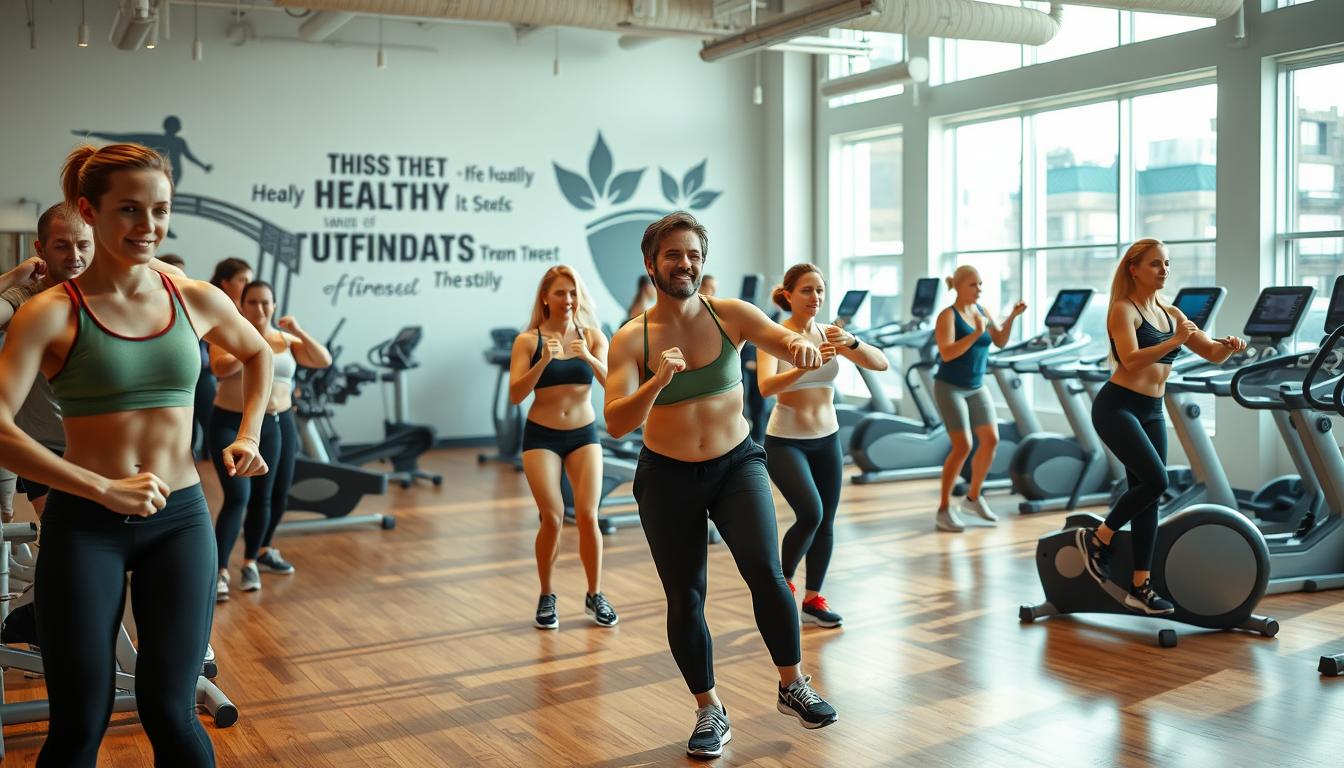
Achieving optimal health needs a full approach. It includes many parts of our life. Physical fitness means making choices that help us feel better.
Physical fitness is more than just working out. It’s about taking care of our whole health. This includes what we eat, how we feel, and staying active. This article will show you how to stay fit and healthy.
Key Takeaways
- Understanding the importance of physical fitness for overall health
- Learning how to create a balanced fitness routine
- Discovering the role of nutrition in physical fitness
- Exploring ways to maintain mental well-being through physical activity
- Setting realistic goals for achieving physical fitness
Physical Fitness: Definition and Importance
Physical fitness is more than just being in shape. It’s about being healthy and strong. It helps you feel good and do things you love.
Being physically fit means you can move well and do things easily. It’s about being able to run, jump, and play without getting tired too fast. It’s also about being strong and having good balance.
Being fit is important for many reasons. It helps you stay healthy and feel good. It also helps you live longer and do things you love.
When you’re fit, you can play sports, dance, and have fun. You can also do things that are important to you, like hiking or biking. Being fit makes life more enjoyable.
Being fit also helps you feel confident and strong. It makes you feel good about yourself. It helps you feel like you can do anything.
So, being physically fit is very important. It helps you stay healthy, feel good, and do things you love. It’s a key part of a happy and healthy life.
Benefits of Physical Fitness
Being physically fit has many benefits. Here are some of them:
- Improved overall health
- Increased energy levels
- Enhanced mental well-being
- Stronger immune system
- Reduced risk of chronic diseases
- Increased self-confidence
- Improved sleep quality
- Enhanced cognitive function
These are just a few of the many benefits of being physically fit. It’s a key part of a healthy and happy life.
Benefits of Regular Exercise
Regular exercise is great for your body and mind. It makes you feel better and happier. It also helps you connect with others.
Physical Health Benefits
Exercise keeps you healthy. It lowers the risk of serious diseases like heart disease and diabetes. It also helps you stay at a good weight and feel strong.
Key Physical Health Benefits:
- Improved cardiovascular health
- Weight management
- Increased muscular strength and endurance
- Enhanced flexibility and balance
- Reduced risk of chronic diseases
| Physical Health Benefit | Description |
|---|---|
| Cardiovascular Health | Regular exercise improves heart health by enhancing circulation and reducing blood pressure. |
| Weight Management | Exercise helps in maintaining a healthy weight by burning calories and building muscle. |
| Muscular Strength and Endurance | Physical activity, especially resistance training, improves muscle strength and endurance. |
Mental Health Advantages
Exercise is good for your mind. It makes you feel less stressed and happier. It also helps you think better.
“Exercise is a celebration of what your body can do, not a punishment for what you ate.” – Unknown
Exercise helps in many ways. It lowers stress, improves sleep, and boosts self-confidence.
Social Benefits
Exercise is also good for making friends. It helps you meet new people and feel part of a group. Joining a fitness class or sports team can make you feel connected.
By exercising regularly, you can enjoy these social benefits. It makes life more fun and meaningful.
Types of Physical Fitness
Physical fitness has many parts, each important for health. Knowing these types helps people make better exercise plans. This way, they can get a good balance of fitness.
Aerobic Fitness
Aerobic fitness means the heart, lungs, and blood vessels work well together. They help muscles get oxygen during long activities. Doing aerobic exercises often makes the heart healthier, boosts stamina, and lowers disease risks like diabetes and heart disease.
Examples of Aerobic Exercises:
- Brisk walking
- Running
- Cycling
- Swimming
- Dancing
Muscular Strength and Endurance
Muscular strength lets muscles push against something hard. Muscular endurance lets muscles keep working for a long time. Both are key for doing daily tasks and staying independent as we get older.
Benefits of Muscular Strength and Endurance:
| Benefit | Description |
|---|---|
| Injury Prevention | Stronger muscles and connective tissues reduce the risk of injury. |
| Bone Density | Resistance training can help improve bone density, reducing the risk of osteoporosis. |
| Metabolic Boost | Muscle mass helps increase resting metabolic rate, aiding in weight management. |
Flexibility and Balance
Flexibility is how far a joint can move. Balance is staying steady and not falling. Both are vital for moving easily and avoiding injuries.
Improving Flexibility and Balance:
- Stretching exercises
- Yoga
- Tai Chi
- Balance exercises, such as standing on one foot
Setting Fitness Goals
Fitness goals help people get better physically. They make a plan for exercise and eating. Setting good goals is key to success.
It’s important to know the difference between short-term and long-term goals. Short-term goals are quick wins, like in a year or less. They help build confidence. Long-term goals take years and need steady effort.
Short-term vs. Long-term Goals
Short-term goals might be doing more workouts, losing weight, or learning new exercises. They give a feeling of success. Long-term goals are bigger, like getting fit for a marathon or changing your body shape. It’s good to have both to keep moving forward.

SMART Goal Framework
The SMART goal framework helps make goals clear. SMART means Specific, Measurable, Achievable, Relevant, and Time-bound. For example, “I will lose 5 pounds in 3 months by eating healthy and exercising.”
Using SMART goals and knowing the difference between short and long goals helps a lot. It keeps you focused and on track to reach your fitness goals.
Building a Balanced Workout Routine
A good workout routine is key to being fit. It makes you healthier and happier. It also gives you more energy. To get fit, mix cardio, strength training, and flexibility exercises.
Cardio Exercises
Cardio is important for your heart and endurance. It also burns calories. Try running, cycling, swimming, or brisk walking. Aim for at least 150 minutes of moderate-intensity cardio per week to reap the benefits.
Some popular cardio exercises include:
- High-Intensity Interval Training (HIIT)
- Steady-state cardio
- Dance-based workouts
Strength Training
Strength training is vital for muscle and bone health. Focus on exercises that work multiple muscle groups at once, like squats and bench press. Do strength training exercises 2-3 times per week.
Some effective strength training exercises include:
- Weightlifting
- Bodyweight exercises
- Resistance band exercises
Flexibility Workouts
Flexibility workouts keep you moving and prevent injuries. Add yoga, Pilates, or stretching to your routine. Aim to do flexibility workouts 2-3 times per week, focusing on major muscle groups.
Some benefits of flexibility workouts include:
- Improved range of motion
- Reduced muscle soreness
- Enhanced overall flexibility
Nutrition and Physical Fitness
Nutrition is key for physical fitness. It affects how well you perform and stay healthy. Eating right helps you reach your exercise goals.
It’s about the right mix of nutrients and staying hydrated. This mix is important for your body.
Importance of a Balanced Diet
A balanced diet is very important for those who exercise a lot. It gives you the energy you need for workouts. It also helps your muscles recover.
The food you eat affects how well you do in sports. It also impacts your health.
Key Nutrients for Active Individuals
People who are active need certain nutrients. Proteins help fix and grow muscles. Carbs are your main energy source. Healthy fats help your body work right.
Getting enough of these nutrients is key. It helps you perform better.
Hydration Strategies
Drinking enough water is also very important. It helps keep your body cool and moves nutrients around. It also helps get rid of waste.
Drink water before, during, and after you exercise. Also, think about electrolytes if you’re doing something long.
The Role of Rest and Recovery
Exercise is important for staying fit. But rest and recovery are just as key. They help your body fix and get stronger.
Importance of Sleep
Sleep is a big part of rest and recovery. It helps fix muscles, bones, and the immune system. Adequate sleep is essential for physical recovery and mental rejuvenation.
A study says adults need 7-9 hours of sleep each night. Keeping a regular sleep schedule and a good sleep environment are important.
| Sleep Duration | Recommended For | Effects on Fitness |
|---|---|---|
| 7-9 hours | Adults | Optimal recovery, improved performance |
| Less than 7 hours | – | Reduced performance, increased injury risk |
| More than 9 hours | – | Potential for decreased motivation, lethargy |
Active Recovery Techniques
Active recovery means doing low-intensity activities after working out. This helps blood flow and gets rid of waste in muscles. Light cardio, stretching, and foam rolling are good ways to do this.
“Active recovery is not just about avoiding injury; it’s about optimizing your body’s ability to adapt to the demands you’re placing on it.” –
Some good active recovery techniques include:
- Light jogging or cycling
- Yoga or Pilates for flexibility and relaxation
- Foam rolling to reduce muscle tension
- Contrast showers to enhance circulation
Adding rest and recovery to your workout routine helps you perform better. It also lowers injury risk and helps you reach your fitness goals.
Overcoming Common Exercise Barriers
It’s important to know and tackle common exercise barriers for lasting fitness. Many face challenges like not having enough time, emotional hurdles, or mental blocks.
To beat these barriers, we must grasp their causes and find good solutions. Time management is a big part of sticking to a workout plan.
Time Management Strategies
Managing time well is key to fitting in exercise when life gets busy. Here are some tips to help:
- Schedule workouts in your calendar, treating them as non-negotiable appointments.
- Opt for shorter, high-intensity workouts when time is limited.
- Combine exercise with other activities, such as listening to podcasts or audiobooks while jogging or cycling.
| Time Management Tip | Description | Benefit |
|---|---|---|
| Schedule Workouts | Treat workouts as fixed appointments. | Increases commitment to exercise. |
| Short, High-Intensity Workouts | Effective even with limited time. | Improves cardiovascular health quickly. |
| Multitasking | Exercise while doing other activities. | Enhances productivity and enjoyment. |
Emotional and Mental Challenges
Emotional and mental hurdles can also stop us from exercising regularly. Here are ways to tackle them:
- Set achievable goals and celebrate small wins.
- Find a workout buddy or join a fitness group for support.
- Practice mindfulness and focus on the good parts of working out.
Mindfulness is key in beating mental barriers. It helps us stay in the moment and keep our fitness goals in mind.

By tackling common exercise barriers, we can find ways to keep our fitness journey on track. This ensures a consistent and successful path to better health.
Finding Motivation for Fitness
Keeping motivated is key to beating obstacles and hitting your fitness goals. It’s not always easy, but with the right tips, you can keep your drive strong. This helps you stay committed to your fitness path.
Setting Up a Support System
A good support system can really help. This might include:
- Joining a fitness community or gym
- Finding a workout buddy or accountability partner
- Hiring a personal trainer for guidance and support
Having a support system gives you encouragement and advice. It helps you stay focused on your fitness goals.
Tracking Progress and Celebrating Success
It’s important to track your progress. You can do this by:
- Using a fitness tracker or mobile app to monitor your workouts and progress
- Keeping a fitness journal to record your exercises, weight, and measurements
- Setting milestones and celebrating your achievements along the way
Celebrating your wins, big or small, boosts your motivation. It keeps you going towards your fitness dreams.
By using these tips, you can keep your motivation up. This way, you’ll reach your fitness goals in the long run.
Fitness Trends to Watch in 2023
2023 is going to be a fun year for those who love to stay fit. There are many new trends to try. These trends help you reach your fitness goals in different ways.
The world of fitness is getting more interesting. It’s all about personalization and technology. This means workouts are becoming more fun and effective.
Two big areas to watch in 2023 are Popular Workout Formats and Innovative Fitness Technology. Let’s explore these trends.
Popular Workout Formats
2023 is bringing new workout styles for everyone. Some popular ones are:
- High-Intensity Interval Training (HIIT)
- Yoga and Pilates
- Group Fitness Classes
- Home Workouts
A recent statement by
“The fitness industry is moving towards more inclusive and diverse workout options, allowing individuals to choose what suits them best.” – Fitness Expert
Innovative Fitness Technology
Technology is changing the fitness world in 2023. Some cool tech includes:
- Wearable Fitness Trackers
- Fitness Apps
- Virtual Fitness Classes
- AI-Powered Personalized Fitness Plans
Technology is making workouts better and more fun. It also makes fitness more accessible to everyone.
Creating a Home Workout Space
A good home workout space can change your fitness game. It keeps you motivated and on track with your goals. Having a special place for exercise helps a lot.
Think about what equipment and layout you need. Beginners should start with a few key items.
Essential Equipment for Beginners
You don’t need to buy a lot of expensive stuff at first. Some essential items are:
- A good quality yoga mat
- Resistance bands
- A set of dumbbells
- A jump rope
These can help you start your fitness journey. They’re good for many exercises.
Tips for Maximizing Small Spaces
If you have little space, there are smart ways to use it. Use multi-functional equipment for many exercises.
Also, use vertical space. Install shelves or storage for your gear. This keeps the floor free and makes the area feel bigger.
| Tip | Description |
|---|---|
| Use wall space | Install shelves or hooks to store equipment, keeping the floor clear. |
| Choose multi-functional equipment | Select equipment that can be used for multiple exercises, reducing clutter. |
| Opt for foldable equipment | Consider equipment that can be folded and stored away when not in use. |
With these tips, you can make a great home workout space. It will help you reach your fitness goals.
Resources for Physical Fitness
To keep up with fitness, you need the right tools. Whether you’re new or experienced, many resources can help you reach your goals.
Local Fitness Classes and Instructors
Finding good fitness classes and instructors is key. Look for local gyms or studios that match your goals. Places like Planet Fitness and 24 Hour Fitness have many options. You can also find certified instructors online.
Utilizing Fitness Apps and Online Communities
Fitness apps and online groups are great for staying fit. Apps like Nike Training Club and MyFitnessPal help with workouts and tracking. Online forums and groups offer support and motivation. These tools help you create a fitness plan that fits your life.
Leave a Reply